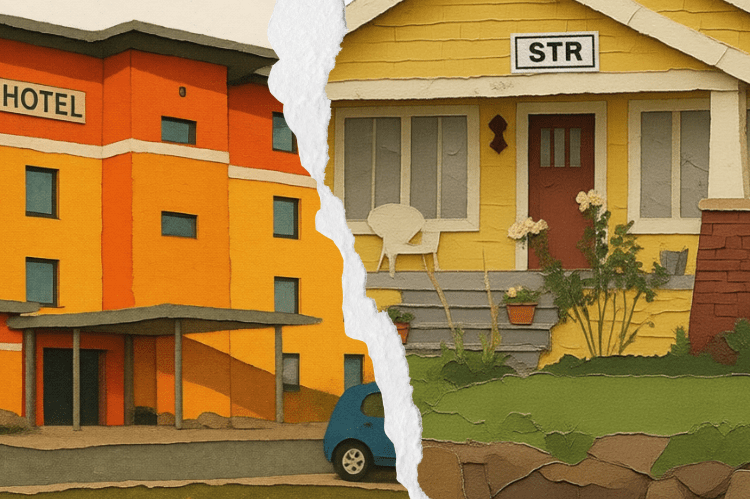
What began a decade ago as an adventurous, human-centric way to “live like a local” has transformed into a hyper-commodified short-term rental market. Today, the cultural debate between choosing a traditional hotel or an Airbnb usually centers on a few universal pain points: escalating cleaning fees, long lists of checkout chores, or hidden property management policies. But when you scratch beneath the surface of traveler convenience, you uncover a much more complex conversation about shifting labor models and institutional accountability.
Our latest Substack discussion kicks off a two-part series diving into the parallel realities of modern lodging. By comparing a frictionless stay at a legacy franchise hotel with a logistically turbulent week at a beachside short-term rental, we look past consumer aesthetic preferences to examine the stark differences in working conditions, systemic transparency, and corporate accountability that these environments foster.
Ultimately, analyzing where we choose to lay our heads at night reveal broader insights into contemporary labor. As institutions become increasingly atomized and hidden behind digital platforms, identifying structural accountability becomes the ultimate challenge for workers and consumers alike.
This discussion demonstrates our expertise in Comparative Institutional Analysis and Labor Market Ethnography by evaluating how changing corporate structures directly impact working-class jobs, schedule stability, and local economic regulations. It also showcases our capacity for Service Blueprinting and Systemic Vulnerability Assessment by looking at the fragmentation of consumer trust and hidden operational liabilities for contractors that platform-based business models can unintentionally create.
Read Part One of “The Great Hotel vs. Airbnb Debate” on Substack.
 Dismantle Culture & Media